
What Drives Basement Waterproofing Costs in Westchester?
Basement waterproofing prices can vary a lot because every home’s situation is different. Material choices, labor needs, and the specific fixes required all depend on your basement’s layout and the source and severity of water intrusion. This guide walks homeowners through the main cost drivers—size and layout, damage severity, chosen methods, foundation condition, and local Westchester factors—so you can budget sensibly and get accurate quotes. If you want professional help, WDry Basement Waterproofing Westchester stands ready to provide high-quality waterproofing, free estimates, and flexible payment options to make your decision easier.
Read on to learn the primary cost drivers, how interior and exterior solutions compare, typical price ranges for common services like sump pumps and French drains, and a step-by-step approach to getting a reliable estimate and financing. The guide includes practical examples, comparison tables, and decision checklists so you can prioritize work, weigh long-term value, and review contractor bids with confidence.
Key Factors That Influence Basement Waterproofing Costs in Westchester
Most waterproofing quotes come down to a predictable set of variables: the basement’s size and layout, how bad the water problem is, which waterproofing method is chosen, the foundation’s material and condition, and regional factors in Westchester like soil type and permit requirements. Together these determine project scope, equipment needs, access logistics, and whether specialized trades or permits are required—each of which affects the final price and timeline. Knowing what each factor means helps you balance short-term cost against long-term protection and explains why two similar basements can show very different estimates. Below is a concise list of the main drivers and how they typically affect cost to help you plan contractor conversations and budgets.
The list below summarizes the principal cost drivers and what they mean for estimates.
- Basement size and layout: Bigger square footage and complicated rooms increase material use and labor time.
- Severity of water damage: Light seepage can be sealed; structural intrusion usually needs excavation and major repairs.
- Waterproofing method: Interior fixes cost less up front; exterior excavation and membranes are pricier but address the source.
- Foundation type and condition: Older or damaged foundations often need repairs or engineer involvement, raising costs.
- Local Westchester factors: Soil, permit fees, and seasonal contractor demand affect regional pricing differences.
Understanding these factors helps you prioritize inspections and plan realistic budgets. The following sections break down size/layout and damage severity to help you prepare for accurate estimates.
How Basement Size and Layout Change the Price
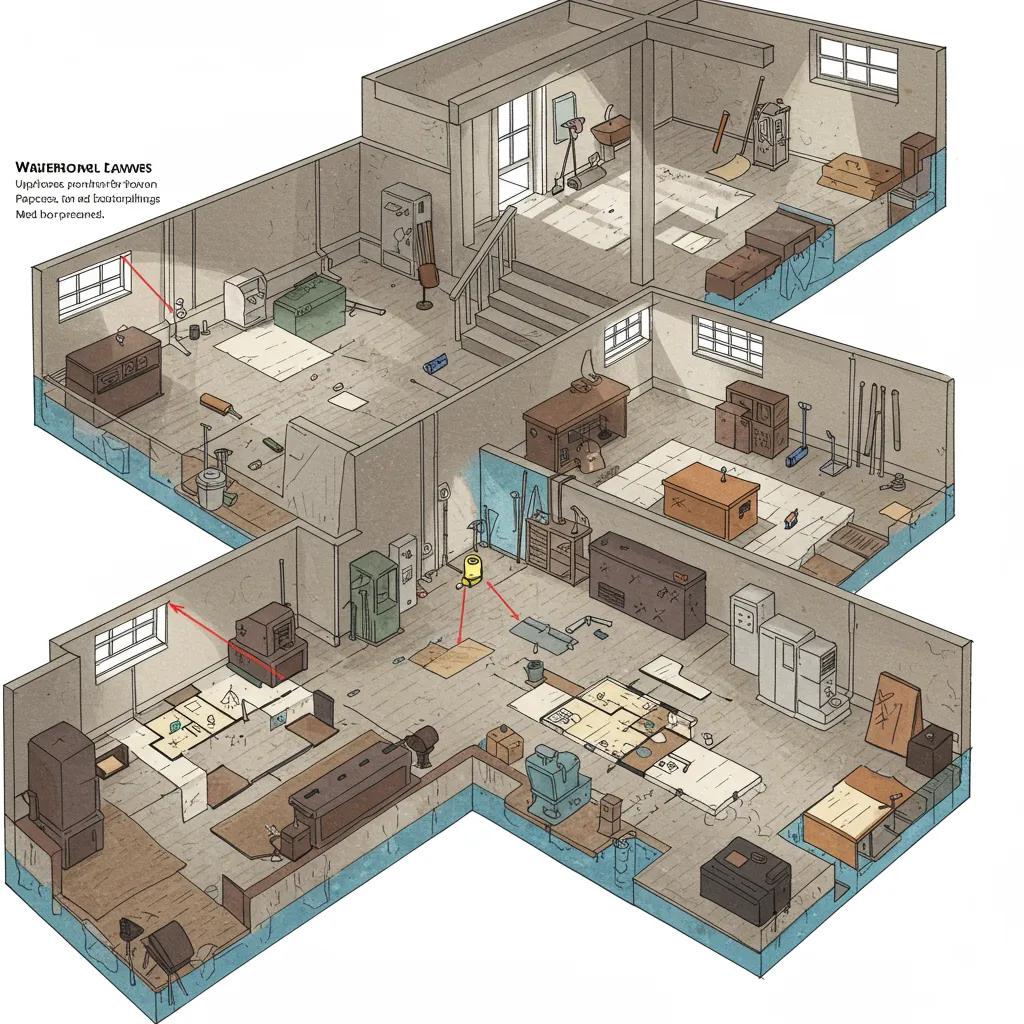
Contractors typically price by square footage and complexity, so more walls, corners, or built-ins mean more labor and waste. High ceilings, mechanical systems in a sub-level, or finished interior surfaces that need protection or removal will add time and cost for protection and restoration. Interior drainage systems are often estimated per square foot; exterior excavation is priced by linear foot. Irregular rooms and built-ins can push the effective rate above simple baselines. When you request quotes, measure finished and unfinished areas separately and tell contractors about any planned finishing work—removal or protection is a common line item on estimates.
Sharing accurate floor plans and clear photos up front helps contractors scope the job more precisely, which reduces change orders and leads to more reliable written proposals.
How Damage Severity Affects Cost
Water damage generally falls into tiers: minor seepage, recurring leaks with mold, and severe structural intrusion that requires excavation or underpinning. Each tier calls for progressively larger interventions and higher costs. Minor problems often need crack sealing, targeted interior drainage, or a sump pump—these are typically affordable and fast. Moderate issues may require partial drainage systems, mold remediation, and dehumidification. Severe cases need exterior excavation, foundation reinforcement, or underpinning—these are invasive, may require permits and specialists, and represent the biggest investments.
A detailed site inspection allows contractors to recommend phased, cost-effective approaches when full excavation isn’t immediately necessary—spreading expense while addressing urgent risks.
Basement leaks are often systemic: failing downspout drains and walls under hydrostatic pressure commonly contribute to recurring problems.
How Different Waterproofing Methods Change Costs
Interior drainage, exterior excavation with membranes, and combined approaches each have distinct cost profiles because they deal with water at different points and need different materials and labor. Interior systems usually include a channel, sump pump, and moisture barriers; they’re less disruptive and cheaper up front but may require ongoing maintenance. Exterior systems require excavation, exterior membranes or drainage layers, and regrading; they cost more because of excavation, disposal, and restoration but reduce external hydrostatic pressure at the source. A combined approach adds redundancy—good for chronic problems—but increases the initial investment.
Here’s a quick comparison to help match method to your goals and budget.
- Interior waterproofing: Lower up-front cost, quicker install; treats water that reaches the interior.
- Exterior waterproofing: Higher up-front cost; addresses water before it hits the foundation wall.
- Combined approach: Highest initial cost; best for recurring or severe infiltration.
Choosing the right approach means weighing your budget against expected lifespan and maintenance. The next section compares interior and exterior costs in more detail.
Interior vs. Exterior: How Costs Differ
Interior waterproofing usually costs less because it avoids excavation and focuses on moving water that reaches the inside—using channels, sump pumps, and interior membranes that need less heavy labor. Typical interior budgets cover trenching the slab, installing drainage pipe and a sump, and restoring flooring. Exterior work is pricier due to excavation, heavy equipment, soil disposal, and exterior membranes; it addresses water before it reaches the foundation and often lasts longer but brings permit and landscaping restoration costs. Your decision should consider budget, long-term goals, and whether hydrostatic pressure or poor grading is the main problem at your Westchester property.
How Sump Pumps and French Drains Impact Cost
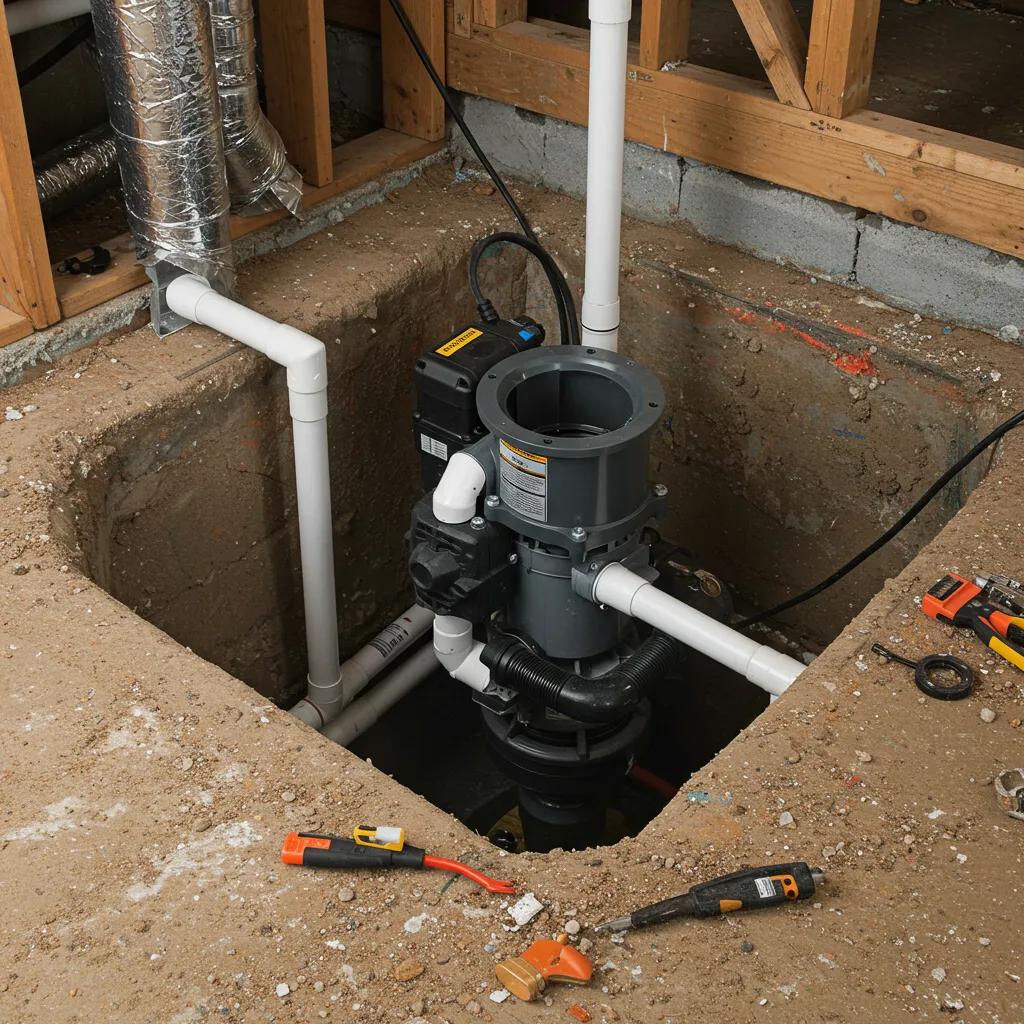
Sump pumps add equipment cost, pit excavation, electrical work, and optional battery backup. French drains require pipe, gravel, filter fabric, and trenching—either under a slab or outside near footings. A sump pump paired with an interior drainage channel is a focused, moderate-cost solution. French drains range widely by linear feet and by interior vs exterior placement; exterior drains raise excavation and restoration costs. Combining interior channels with exterior systems increases price but gives layered protection and lowers the chance of repeat work.
When you get quotes, ask contractors to itemize pump model, pit size, backup options, and the linear-foot assumptions for French drains so you can compare proposals accurately.
Typical Costs for Common Waterproofing Services in Westchester
Below are typical cost ranges for common services in Westchester. Keep in mind site conditions and the factors covered earlier will move any estimate up or down. Use this table as a planning reference when reviewing contractor proposals.
The table compares common services, typical cost ranges, and the main factors that drive each price.
This snapshot highlights how scale and complexity drive cost and shows where phased repairs or further investigation might reduce immediate spending.
Sump Pump Installation: What to Expect Cost-Wise
Sump pump jobs range from basic submersible pumps in a standard pit to high-capacity systems with battery backup and durable pumps. Basic installs typically include a submersible pump, pit, and discharge line. Mid-range installs add larger pits, stronger pumps, and better check valves. Battery backup or generator connections increase equipment and labor costs; electrical upgrades like new circuits add to the quote. Accessibility, existing finishes, and whether the pump connects to an interior drainage channel also affect price. Ask for an itemized equipment list and warranty details so you can compare bids fairly.
Clear equipment specs and service warranties make it easier to weigh proposals and avoid surprises.
French Drain Costs and Their Benefits
French drains vary widely depending on interior vs exterior placement and on how many linear feet and how deep the trench must be. Interior French drains can be cheaper for small projects because they use existing floor space and discharge inside; exterior drains require heavy excavation, machinery, and landscape repair, which raises cost. Benefits include reduced hydrostatic pressure, better groundwater control, and less basement moisture—protecting finishes and stored items. When comparing costs, get linear-foot estimates, ask about filter fabric and gravel specs, and factor long-term savings from avoiding recurring water damage.
Choosing the right type of French drain is a balance between initial excavation cost and long-term protection.
Cost per Square Foot for Crawl Space Encapsulation
Encapsulation is usually quoted per square foot and depends on vapor barrier thickness, perimeter sealing, insulation, and dehumidifier quality. Low-cost installs use thinner barriers and minimal ventilation upgrades; premium systems use multi-layer barriers, foam insulation, and commercial dehumidifiers. Poor access, debris, pests, or prior water damage increase prep work and total cost. Adding a dehumidifier or better insulation raises material and electrical costs. Encapsulation often pays back over time through better energy efficiency, fewer humidity problems, and lower mold risk—factors to weigh against the upfront price.
Ask contractors to specify barrier thickness, seam treatments, and included dehumidifier capacity so you can compare lifecycle performance rather than only initial price.
Foundation and Crack Repair Cost Ranges
Repair costs range from inexpensive epoxy injections for non-structural hairline cracks to costly underpinning, carbon fiber reinforcement, or steel bracing for structural failures. The main drivers are severity, whether the repair is cosmetic or structural, access, and whether engineering and permits are needed. When settlement or bearing problems exist, restoring load paths is necessary and expensive, but prevents worse damage later. Request assessments that clearly separate cosmetic fixes from structural solutions and explain when phased work or monitoring might be appropriate.
A detailed scope with technique descriptions and warranty terms helps ensure the quoted price matches the structural outcome you need.
How Labor, Materials, and Westchester Conditions Affect Pricing
Labor, material quality, and local Westchester conditions are core influences on final cost. Labor rates reflect crew skill, specialty trades, and seasonality—busy months can raise prices or delay start dates. Materials range from economical coatings to commercial membranes and industrial dehumidifiers; premium products cost more up front but often last longer. Westchester’s soils, lot grading, and permitting rules affect whether exterior excavation is practical and how much restoration is required. Knowing these local variables helps you read estimates more accurately and decide when investing in higher-quality materials or off-peak scheduling is worthwhile.
The short table below breaks down how labor, materials, and location factors separately influence costs so you can compare proposals more clearly.
The table separates core cost components, describes their attributes, and shows typical impacts on price.
This breakdown shows labor is often the biggest variable, while material choices and local conditions shape both upfront cost and long-term maintenance needs.
Typical Labor Costs in Westchester
Labor in Westchester reflects experienced crews that do excavation, concrete, drainage, and mechanical work; contractors may offer fixed bids or hourly pricing depending on scope clarity. Complex projects needing structural repair, confined-space work, or multiple trades increase labor hours and may require specialty subcontractors, raising labor costs. Seasonal peaks can push prices up; off-season scheduling may yield better rates. Ask for a labor breakdown or estimated crew hours so you understand how much of the quote is labor and where you might trim scope to save money.
Clear labor descriptions reduce surprises and make it easier to compare bids on equal terms.
How Material Choices Change Total Cost
Material selection—from basic cementitious coatings to commercial membranes and heavy-duty dehumidifiers—balances price with durability. Cheaper coatings may control minor dampness but need reapplication sooner; premium membranes and drainage composites often carry longer warranties and better resistance to hydrostatic pressures. Pump brand, battery backup capacity, and pipe specs also vary in price and expected service life, affecting maintenance and replacement timing. Evaluate materials by expected lifespan, warranty, and maintenance needs to convert a sticker price into a realistic lifecycle cost.
Ask contractors for brands, product data sheets, and warranty terms so you can compare material value across proposals.
Why Westchester’s Location Matters for Pricing
Westchester’s geology—from bedrock to clay—plus microclimates and local permit rules affect excavation difficulty, drainage choices, and inspection timelines. Steep lots or poor grading can require additional grading or retaining work, adding restoration costs. Sites that need special soil disposal or dewatering raise equipment and time needs. Permit and inspection processes add fees and can extend schedules; seasonal demand affects when you can book crews and at what price. A professional site inspection is the only reliable way to translate these local factors into a specific estimate for your property.
Knowing site constraints before bidding helps contractors deliver precise scopes and lowers contingency markups and unexpected change orders.
Long-Term Benefits and Value of Professional Waterproofing
Professional waterproofing is an investment that protects structure, improves indoor air quality, and can boost resale confidence—benefits that often outweigh the installation cost. Proper waterproofing prevents foundation deterioration, reduces mold and allergen risks, and stabilizes humidity for better energy performance. Documented professional repairs and transferable warranties reassure buyers and can prevent sale-price reductions tied to water issues. Choosing quality materials and licensed contractors tends to reduce callbacks and extend service intervals, making a value-based decision preferable to simply choosing the lowest bid.
The list below summarizes the primary long-term benefits of professional waterproofing and why they matter when balancing cost against value.
- Structural protection: Stops progressive foundation damage and costly structural repairs.
- Health and air quality: Cuts mold growth and reduces allergen exposure in the home.
- Energy and maintenance savings: Stabilizes humidity, easing HVAC load and lowering upkeep costs.
- Resale and documentation: Professional work and warranties improve buyer confidence.
These benefits frame waterproofing as asset preservation; the next sections explain how those gains translate into value and better health outcomes.
How Professional Waterproofing Protects Value and Structure
Waterproofing done right preserves foundation materials, prevents soil washout, and reduces the chance of expensive underpinning later—protecting structural integrity and supporting long-term property value. When work is documented and warranties are available, buyers and appraisers can evaluate the repairs, reducing sale-time hesitations. The financial benefit shows up as avoided future repair costs and less depreciation tied to water damage, so professional waterproofing is a smart choice for owners focused on medium- to long-term stewardship.
If you plan to sell, request documentation templates from contractors that list scope, materials, and warranty terms to protect market value.
Health Benefits from Stopping Mold and Moisture
Controlling basement moisture reduces mold growth and related allergens, improving indoor air quality and lowering respiratory risks. Mold thrives in damp, poorly ventilated spaces; removing the moisture source is the most effective long-term solution. Waterproofing that combines drainage and dehumidification addresses both cause and symptom, reducing repeat remediation and cleaning costs and protecting stored items and finishes. Consider moisture testing and mold inspection during estimates to document conditions and confirm remediation needs.
Documenting moisture levels before work also helps verify that the problem has been resolved after installation.
Why Hire Licensed, Experienced Contractors Like WDry Basement Waterproofing?
Licensed and insured contractors reduce project risk because they know local codes, permit requirements, and reliable installation methods that lead to lasting results and valid warranties. Experienced teams scope work accurately, avoid common mistakes, and coordinate trades to minimize overruns. WDry Basement Waterproofing Westchester follows professional standards, provides transparent proposals, and performs services including crack repair, interior and exterior waterproofing, crawl space encapsulation, French drain and sump pump installation, and foundation repair. Choosing a qualified contractor who documents work, offers clear warranties, and explains maintenance helps you get the best long-term value.
This contractor-focused approach ties back to lifecycle cost versus upfront price and helps you request reliable, comparable estimates.
How Homeowners Get Accurate Estimates and Find Financing
Follow a simple process to get accurate waterproofing estimates and explore financing so you can compare offers and plan cash flow without sacrificing needed protection. Prepare photos and any floor plans, schedule site visits for diagnostics, request itemized written estimates with scope and warranty details, and review payment plans or financing options to understand total cost over time. WDry Basement Waterproofing Westchester supports homeowners with free estimates and guidance on financing so you can make informed choices. Know the difference between a ballpark number and a detailed quote—only an on-site inspection will lock in precise pricing and timelines.
The table below compares estimate types and what each typically includes so you know which quote to request for accurate budgeting.
How to Get a Free Basement Waterproofing Estimate
To get a dependable free estimate, gather photos, any floor plans, and a short history of observed water problems—this helps contractors prepare for the visit. During the inspection contractors will take moisture readings, look for cracks, and evaluate grading to determine if testing or an engineer is needed. After inspection you should receive a written, itemized proposal listing recommended methods, materials, timing, and warranty terms so you can compare bids side-by-side. WDry Basement Waterproofing Westchester offers free estimates and will walk you through next steps and answer clarification requests before you sign a contract.
Providing good documentation and asking for detailed proposals increases the chance that the final quote matches actual needs and reduces change orders.
Flexible Payment Options for Waterproofing Work
Common payment choices include in-house installment plans, third-party financing, or staged payments tied to milestones. Each option affects total project cost through fees or interest, so get full disclosure up front. Compare APRs, term lengths, and whether financing affects warranties before committing. WDry Basement Waterproofing Westchester offers flexible payment plans to help homeowners balance urgent repairs with budget limits while keeping project quality and continuity. Request sample payment schedules and total financed-cost examples so you understand monthly payments and the overall cost impact.
Choose transparent financing with clear terms to preserve warranty eligibility and avoid surprises tied to payment arrangements.
Frequently Asked Questions
What are the signs that my basement needs waterproofing?
Look for visible water stains, peeling paint, musty odors, standing moisture, or mold growth. Cracks in foundation walls or floors, efflorescence (white mineral streaks), and water pooling after heavy rain are also clear warning signs. Regular checks catch problems early and save on more costly repairs later.
How long does the waterproofing process typically take?
Timing depends on the scope. Interior systems often take a few days to a week. Exterior excavations and full restorations can extend the work to several weeks. Your contractor will give a timeline after a site inspection and once permits (if needed) are scheduled.
Are there any DIY methods for basement waterproofing?
For minor issues, homeowners can apply sealants, improve grading, or maintain gutters and downspouts. However, DIY fixes rarely address underlying causes. For persistent leaks, structural issues, or recurring mold, professional assessment and installation are usually the safest and most cost-effective route.
What maintenance is required after waterproofing?
Maintain gutters and downspouts, check that exterior grading directs water away from the foundation, and test sump pumps and backups regularly. Monitor humidity and run a dehumidifier if needed. Periodic inspections of seals, drains, and mechanical components help catch issues early.
How can I choose the right waterproofing contractor?
Look for licensed, insured contractors with local experience and good reviews. Ask for detailed, itemized estimates from multiple companies, check references, and confirm warranty terms. A reputable contractor will explain methods, list products and brands, and provide a clear timeline.
What financing options are available for waterproofing services?
Many companies offer in-house plans, third-party financing, or staged payments tied to milestones. Compare APRs, fees, and repayment terms. Ask whether financing affects warranty coverage and request sample payment schedules to understand total financed cost.
Conclusion
Knowing what drives basement waterproofing costs helps you make confident, informed decisions that protect your home and investment. By evaluating size, damage severity, and method options, you can prioritize work and budget realistically. For a personalized plan and a free estimate, contact WDry Basement Waterproofing Westchester—take the first step toward a dry, secure basement with clear advice and dependable service.